Weathering the Seasons: Designing a Resilient Landscape with Durable Materials Apr 21, 2026
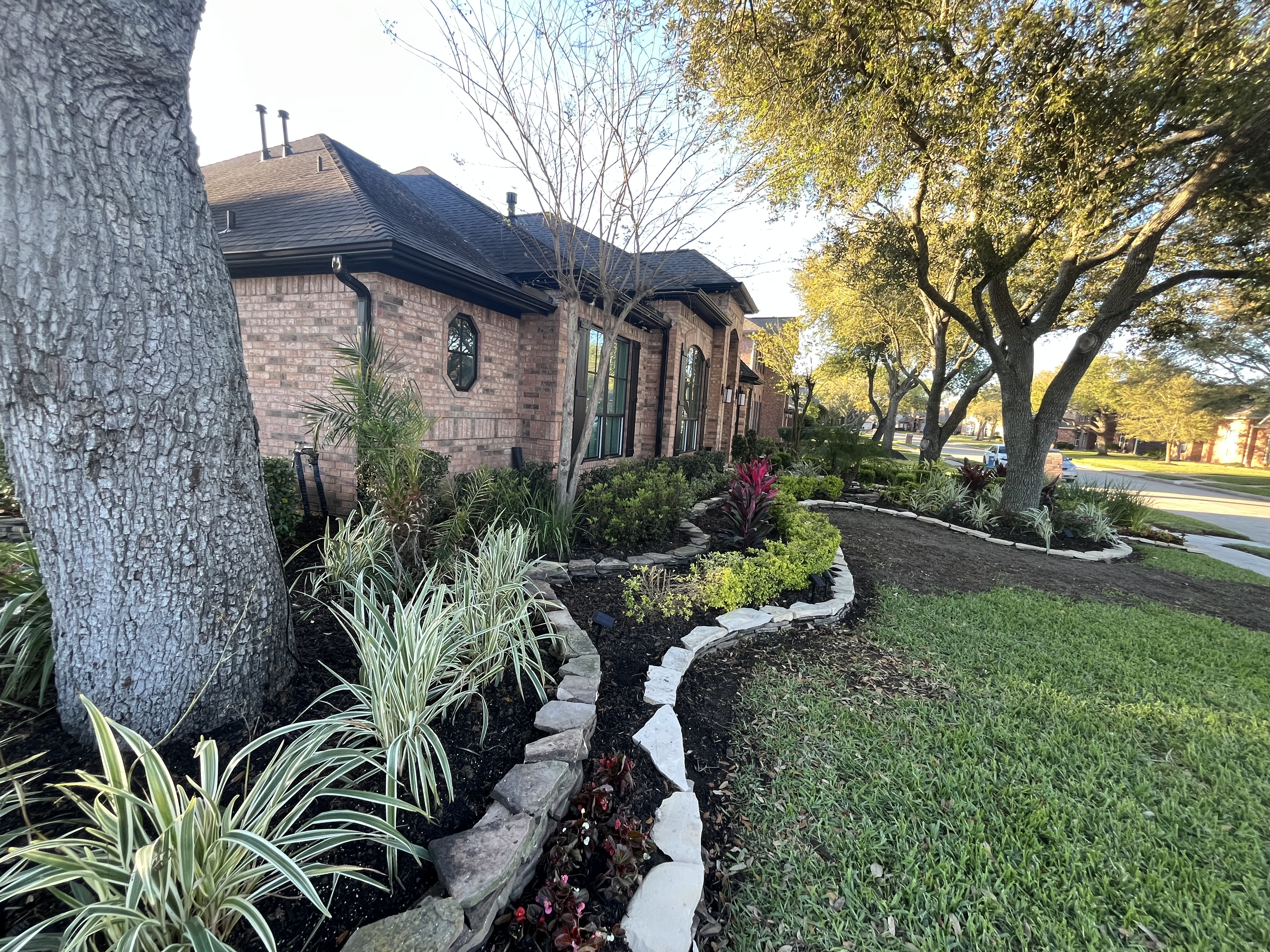
When beginning your landscape design, the first step is to assess the regional climate and soil conditions. This evaluation is crucial because it influences the types of materials you'll select. For areas prone to heavy rainfall, opt for materials that can handle moisture without degrading. For instance, concrete pavers and natural stone are both excellent choices. They not only resist water but also create a sturdy foundation that reduces erosion.
For areas with intense sun exposure, materials like permeable pavers and gravel are beneficial. These allow water to filter through easily, reducing heat retention and drainage issues. Similarly, mulch acts as a protective barrier for plant roots, maintaining soil moisture and preventing weed growth, which is particularly useful during hot weather spells.
Integrating hardscaping elements such as retaining walls and terraces can significantly enhance both the aesthetics and functionality of your landscape. Retaining walls made from stone or treated wood are timeless options that help manage slopes and prevent soil erosion. These structures not only add visual interest but also improve the usability of your outdoor space.
Another key element to consider is using sustainable and eco-friendly materials. Recycled brick or reclaimed wood can add a rustic charm to your garden while reducing your environmental impact. These materials boast both durability and aesthetic appeal, offering the best of both worlds.
The role of plant selection cannot be overstated in creating a resilient landscape. Opt for native plants as they are already adapted to local conditions and are typically more resistant to pests and diseases. They require less water and maintenance, which means your landscaping efforts will be both effective and economical. Incorporate a variety of perennials and shrubs to ensure year-round interest and resilience against seasonal changes.
Watering solutions are also vital to a resilient landscape design. Investing in a smart irrigation system can dramatically improve water efficiency. These systems are designed to adjust watering schedules based on weather patterns, ensuring that your garden gets the right amount of moisture. This is especially critical during drought conditions or when water restrictions are in place.
As we look towards the future, the impact of climate change makes resilient landscape design more important than ever. By choosing durable materials and sustainable practices, you not only protect your investment but also contribute to a healthier environment.
In conclusion, weathering the seasons effectively requires a thoughtful selection of materials that can withstand the local climate's challenges. At Garza Lawncare & Tree Service, we're committed to crafting landscapes that are not only beautiful but also resilient and eco-friendly. By following these guidelines, you can create a landscape that endures for years to come, providing you with a serene and stunning outdoor space no matter the season.
/filters:no_upscale()/filters:format(webp)/media/7388e30a-ace4-4807-a860-24696ab87b67.jpeg)